Buy free-backlink.com ?
We are moving the project
free-backlink.com .
Are you interested in purchasing the domain
free-backlink.com ?
domain@kv-gmbh.de · 0541-91531010
Buy free-backlink.com ?
How can one loosen this self-locking nut?
To loosen a self-locking nut, you can use a wrench or a socket to apply force in the opposite direction of the locking mechanism. If the nut is extremely tight, you can use a penetrating oil to help loosen it. Additionally, using a heat source such as a torch to heat the nut can also help break the locking mechanism and make it easier to loosen. Be sure to use caution and follow proper safety procedures when using heat or penetrating oil. **
How do you calculate the self-locking of a worm gear?
The self-locking of a worm gear can be calculated by determining the lead angle of the worm and the coefficient of friction between the worm and the gear. The lead angle is the angle formed between the tangent to the worm thread and a plane perpendicular to the axis of the worm. If the lead angle is less than the friction angle (arctan coefficient of friction), then the worm gear is self-locking. This means that the gear cannot drive the worm, preventing back driving and providing mechanical advantage in applications such as lifting or holding loads. **

Similar search terms for Self-locking
Top-Angebote
Products related to Self-locking:
-
Gamegenic Side Holder 80+ Red - Card Deck Storage Box for Trading Cards, Holds 80+ Cards, Red Finish, Self-Locking LidStore and organize your trading card deck with the Gamegenic Side Holder 80+ in red. This compact deck box is designed to hold up to 80 double-sleeved standard-sized cards, keeping your playable deck together between games and during storage. The self-locking lid helps keep the box securely closed, while the cobra neck technology provides convenient access to the cards. A write-on strip allows the deck box to be labelled for quick identification, and an internal divider is included for separating cards within the box. The red finish makes the deck easy to identify in a collection. The Side Holder 80+ is suitable for organizing trading card decks at home, when traveling, or at game sessions. Cards and sleeves are not included.1,99 £*Shipping: 1,99 £Secure redirect to the provider
-
Gamegenic Side Holder 80+ White - Holds up to 80 double-sleeved cards, Self-locking lid, White finish, Card Game AccessoryStore and organise your trading card deck with the Gamegenic Side Holder 80+ in white. This compact deck box is designed to hold up to 80 double-sleeved standard-sized cards, helping keep a deck together between games and during storage. The self-locking lid helps keep the box securely closed, while the Cobra Neck technology provides convenient access to the cards. A write-on strip allows the deck box to be labelled for quick identification, and the included divider helps separate cards within the case. The white finish makes it a useful storage solution for trading card games, deck building, and organised card collections.2,49 £*Shipping: 1,99 £Secure redirect to the provider
-
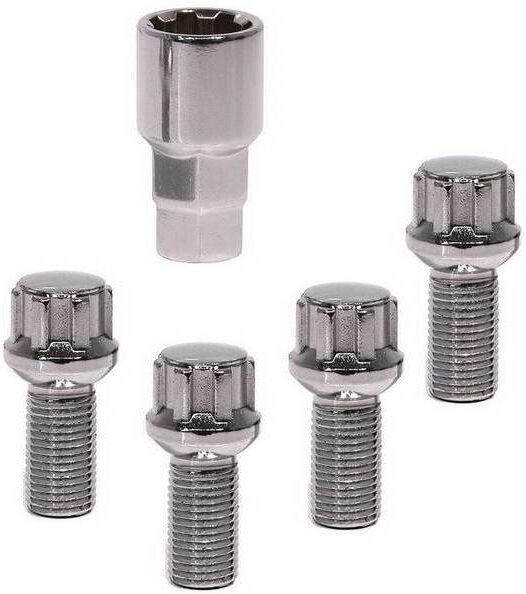
MCGARD BC1170 Locking wheel boltsQuantity Unit: Set; Quantity: 4; Thread Size: M12; Thread Pitch [mm]: 1.25; Wheel Fastening: Conical Seat F; Angle [°]: 60°; Spanner Size: 17, 19; Drive side (profile): Hexagon; Colour: chrome; Surface: Chromed; Product line: LoKNoX; Length [mm]: 24.1; Rims: for light alloy rims, for steel rims24,49 £*Shipping: 8,45 £Secure redirect to the provider


-
Does Loctite have the same effect as a self-locking nut?
Loctite and self-locking nuts both serve the purpose of preventing fasteners from loosening due to vibration or other factors. Loctite is a liquid adhesive that is applied to the threads of a fastener before it is tightened, creating a bond that helps prevent loosening. Self-locking nuts, on the other hand, have a built-in feature, such as nylon inserts or distorted threads, that creates friction and resistance to loosening. While both Loctite and self-locking nuts can effectively prevent loosening, they work in different ways and may be more or less suitable depending on the specific application and requirements. **
-
What does positive locking power transmission and force-locking power transmission mean, as well as positive locking and force-locking?
Positive locking power transmission refers to a system where the connection between components is secure and prevents any slipping or movement during operation. This ensures that power is efficiently transferred without any loss. Force-locking power transmission, on the other hand, relies on friction or mechanical interlocking to transmit power, providing a strong and reliable connection. Positive locking refers to a mechanism that securely holds components together, while force-locking relies on external forces to maintain the connection. **
-
What does positive locking power transmission and frictional locking power transmission mean, as well as positive locking and frictional locking?
Positive locking power transmission refers to a system where the connection between two components is secure and does not allow for any slipping or movement. This is achieved through mechanisms such as gears or splines that ensure a precise and fixed transfer of power. On the other hand, frictional locking power transmission relies on the friction between two surfaces to transfer power. Positive locking refers to a mechanism that physically prevents movement or disengagement, while frictional locking relies on the resistance generated by friction to maintain the connection between components. **
-
How far must a self-locking nut be turned onto the screw at a minimum?
A self-locking nut must be turned onto the screw at least until it reaches the point where the locking feature engages with the threads of the screw. This ensures that the nut is securely locked in place and will not loosen due to vibrations or other external forces. It is important to follow the manufacturer's recommendations for the specific type of self-locking nut being used to ensure proper installation and functionality. **

What does positive locking power transmission and frictional power transmission mean, as well as positive locking and frictional locking?
Positive locking power transmission refers to a system where the connection between two components is secure and does not allow for any slippage or movement. This ensures that power is efficiently transferred from one component to another without any loss. Frictional power transmission, on the other hand, relies on the friction between two components to transfer power, which can result in some power loss due to slippage. Positive locking refers to a mechanism that securely holds two components together without any chance of movement or disengagement. This ensures a strong and reliable connection between the components. Frictional locking, on the other hand, relies on the friction between two components to hold them together, which may not be as secure or reliable as positive locking. **
What is keyless central locking?
Keyless central locking is a system that allows a driver to lock or unlock a vehicle without using a physical key. Instead, the system uses a key fob or a smartphone app to send a signal to the car's central locking system, enabling the driver to control the doors remotely. This technology provides convenience and security by allowing the driver to access the vehicle without having to fumble for keys. **
Top-Angebote
Products related to Self-locking:
-
Market Central Auto Retractable Body Measuring Tape Self Locking Magnetic Fitness Waist Chest Measure Tool yellowGet accurate measurements anytime with a simple tool designed to make tracking progress and everyday measuring easier. This body measuring tape features an auto retractable design with a secure selflocking mechanism, making it convenient for fitness...29,97 $*Shipping: 0,00 $Secure redirect to the provider
-
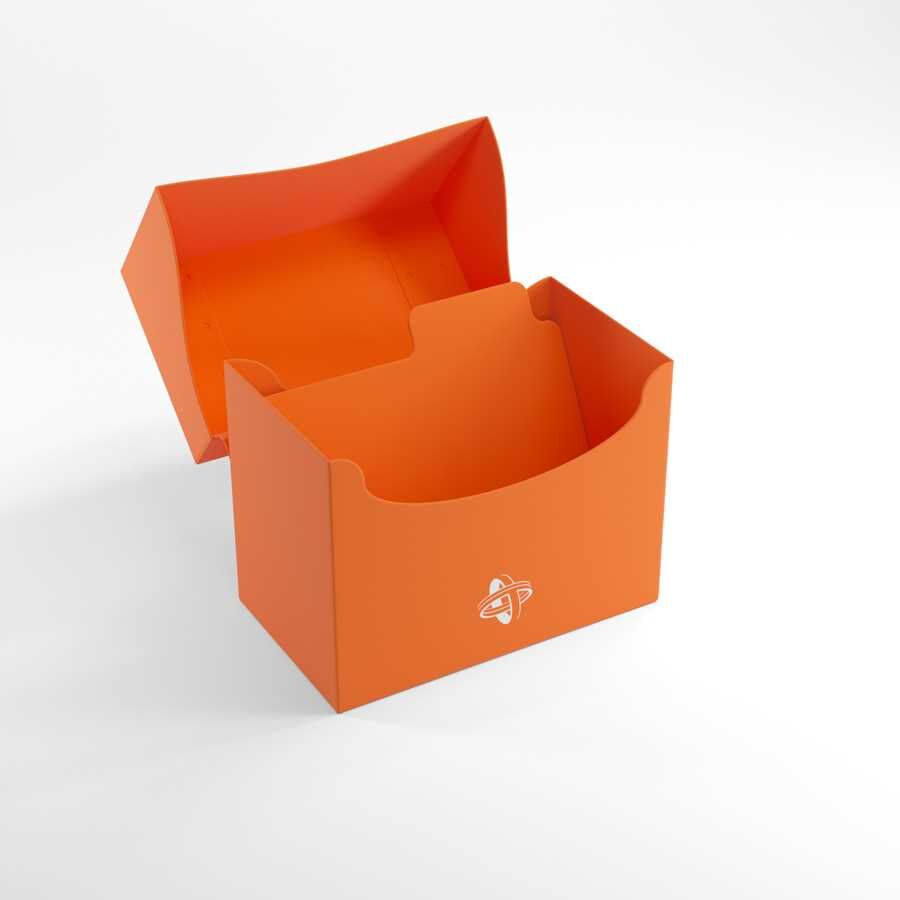
Gamegenic Side Holder 80+ Orange - Card Deck Storage for 80+ Cards, Self-Locking Lid, Orange Finish, GamegenicKeep your trading card deck organised and protected with the Gamegenic Side Holder 80+ in orange. This compact deck box is designed to hold up to 80 double-sleeved standard-sized cards, making it suitable for casual play, storage, and transport. The self-locking lid helps keep the box securely closed, while the cobra neck technology provides convenient access to the cards inside. A write-on strip allows the deck to be labelled for easy identification, and an included divider helps organise cards within the box. The orange finish makes the deck box easy to distinguish in a collection. This product is a useful storage solution for trading card games and card collections. Cards and sleeves are not included.1,79 £*Shipping: 1,99 £Secure redirect to the provider
-
Gamegenic Side Holder 80+ Red - Card Deck Storage Box for Trading Cards, Holds 80+ Cards, Red Finish, Self-Locking LidStore and organize your trading card deck with the Gamegenic Side Holder 80+ in red. This compact deck box is designed to hold up to 80 double-sleeved standard-sized cards, keeping your playable deck together between games and during storage. The self-locking lid helps keep the box securely closed, while the cobra neck technology provides convenient access to the cards. A write-on strip allows the deck box to be labelled for quick identification, and an internal divider is included for separating cards within the box. The red finish makes the deck easy to identify in a collection. The Side Holder 80+ is suitable for organizing trading card decks at home, when traveling, or at game sessions. Cards and sleeves are not included.1,99 £*Shipping: 1,99 £Secure redirect to the provider
-
How can one loosen this self-locking nut?
To loosen a self-locking nut, you can use a wrench or a socket to apply force in the opposite direction of the locking mechanism. If the nut is extremely tight, you can use a penetrating oil to help loosen it. Additionally, using a heat source such as a torch to heat the nut can also help break the locking mechanism and make it easier to loosen. Be sure to use caution and follow proper safety procedures when using heat or penetrating oil. **
-
How do you calculate the self-locking of a worm gear?
The self-locking of a worm gear can be calculated by determining the lead angle of the worm and the coefficient of friction between the worm and the gear. The lead angle is the angle formed between the tangent to the worm thread and a plane perpendicular to the axis of the worm. If the lead angle is less than the friction angle (arctan coefficient of friction), then the worm gear is self-locking. This means that the gear cannot drive the worm, preventing back driving and providing mechanical advantage in applications such as lifting or holding loads. **
-
Does Loctite have the same effect as a self-locking nut?
Loctite and self-locking nuts both serve the purpose of preventing fasteners from loosening due to vibration or other factors. Loctite is a liquid adhesive that is applied to the threads of a fastener before it is tightened, creating a bond that helps prevent loosening. Self-locking nuts, on the other hand, have a built-in feature, such as nylon inserts or distorted threads, that creates friction and resistance to loosening. While both Loctite and self-locking nuts can effectively prevent loosening, they work in different ways and may be more or less suitable depending on the specific application and requirements. **
-
What does positive locking power transmission and force-locking power transmission mean, as well as positive locking and force-locking?
Positive locking power transmission refers to a system where the connection between components is secure and prevents any slipping or movement during operation. This ensures that power is efficiently transferred without any loss. Force-locking power transmission, on the other hand, relies on friction or mechanical interlocking to transmit power, providing a strong and reliable connection. Positive locking refers to a mechanism that securely holds components together, while force-locking relies on external forces to maintain the connection. **
Similar search terms for Self-locking
-
Gamegenic Side Holder 80+ White - Holds up to 80 double-sleeved cards, Self-locking lid, White finish, Card Game AccessoryStore and organise your trading card deck with the Gamegenic Side Holder 80+ in white. This compact deck box is designed to hold up to 80 double-sleeved standard-sized cards, helping keep a deck together between games and during storage. The self-locking lid helps keep the box securely closed, while the Cobra Neck technology provides convenient access to the cards. A write-on strip allows the deck box to be labelled for quick identification, and the included divider helps separate cards within the case. The white finish makes it a useful storage solution for trading card games, deck building, and organised card collections.2,49 £*Shipping: 1,99 £Secure redirect to the provider
-
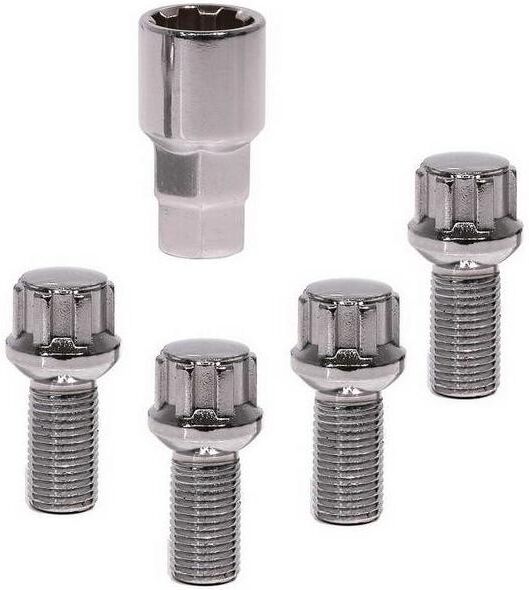
MCGARD BC1170 Locking wheel boltsQuantity Unit: Set; Quantity: 4; Thread Size: M12; Thread Pitch [mm]: 1.25; Wheel Fastening: Conical Seat F; Angle [°]: 60°; Spanner Size: 17, 19; Drive side (profile): Hexagon; Colour: chrome; Surface: Chromed; Product line: LoKNoX; Length [mm]: 24.1; Rims: for light alloy rims, for steel rims24,49 £*Shipping: 8,45 £Secure redirect to the provider
-
MCGARD BR1018 Locking wheel boltsQuantity Unit: Set; Quantity: 4; Thread Size: M14; Thread Pitch [mm]: 1.5; Wheel Fastening: Ball seat A/G; Spanner Size: 19; Drive side (profile): Hexagon; Colour: chrome; Surface: Chromed; Product line: LoKNoX; Length [mm]: 26.7; Rims: for light alloy rims, for steel rims24,49 £*Shipping: 8,45 £Secure redirect to the provider
-
What does positive locking power transmission and frictional locking power transmission mean, as well as positive locking and frictional locking?
Positive locking power transmission refers to a system where the connection between two components is secure and does not allow for any slipping or movement. This is achieved through mechanisms such as gears or splines that ensure a precise and fixed transfer of power. On the other hand, frictional locking power transmission relies on the friction between two surfaces to transfer power. Positive locking refers to a mechanism that physically prevents movement or disengagement, while frictional locking relies on the resistance generated by friction to maintain the connection between components. **
-
How far must a self-locking nut be turned onto the screw at a minimum?
A self-locking nut must be turned onto the screw at least until it reaches the point where the locking feature engages with the threads of the screw. This ensures that the nut is securely locked in place and will not loosen due to vibrations or other external forces. It is important to follow the manufacturer's recommendations for the specific type of self-locking nut being used to ensure proper installation and functionality. **
-
What does positive locking power transmission and frictional power transmission mean, as well as positive locking and frictional locking?
Positive locking power transmission refers to a system where the connection between two components is secure and does not allow for any slippage or movement. This ensures that power is efficiently transferred from one component to another without any loss. Frictional power transmission, on the other hand, relies on the friction between two components to transfer power, which can result in some power loss due to slippage. Positive locking refers to a mechanism that securely holds two components together without any chance of movement or disengagement. This ensures a strong and reliable connection between the components. Frictional locking, on the other hand, relies on the friction between two components to hold them together, which may not be as secure or reliable as positive locking. **
-
What is keyless central locking?
Keyless central locking is a system that allows a driver to lock or unlock a vehicle without using a physical key. Instead, the system uses a key fob or a smartphone app to send a signal to the car's central locking system, enabling the driver to control the doors remotely. This technology provides convenience and security by allowing the driver to access the vehicle without having to fumble for keys. **
* All prices are inclusive of VAT and, if applicable, plus shipping costs. The offer information is based on the details provided by the respective shop and is updated through automated processes. Real-time updates do not occur, so deviations can occur in individual cases. ** Note: Parts of this content were created by AI.