Buy free-backlink.com ?
We are moving the project
free-backlink.com .
Are you interested in purchasing the domain
free-backlink.com ?
domain@kv-gmbh.de · 0541-91531010
Buy free-backlink.com ?
What is the difference between an embedded interrogative clause, an indirect question clause, and a free relative clause?
An embedded interrogative clause is a question that is embedded within a larger sentence, such as "I wonder where he went." An indirect question clause is a sentence that reports a question without using question marks, like "She asked if he was coming." A free relative clause is a clause that functions as a noun and is introduced by a wh-word, such as "I'll take whatever you give me." The key difference is that embedded interrogative clauses and indirect question clauses involve asking a question, while free relative clauses act as a noun phrase. **
How do you transform an object clause or a subject clause into a dependent clause (subordinate clause)?
To transform an object clause or a subject clause into a dependent clause, you can add a subordinating conjunction at the beginning of the clause. For example, changing "I know that he is coming" (object clause) to "I know when he is coming" (dependent clause). Another way is to remove the subject or object pronoun and change the verb form to make it dependent on the main clause. For instance, changing "She believes she can win" (subject clause) to "She believes she can win" (dependent clause). **


Similar search terms for Clause
Top-Angebote
Products related to Clause:
-
Daily Deals Depot Santa Clause Peeker Yard Ornament, Christmas Fence Decoration, Indoor Outdoor Holiday Placard, DIY Festival Gift redBring the festive spirit to life with this Christmas Fence Ornament Santa Clause Peeker Yard Decoration, the perfect way to surprise neighbors and delight guests this holiday season. Designed for indoor and outdoor use, this charming Santa Clause...21,97 $*Shipping: 0,00 $Secure redirect to the provider
-
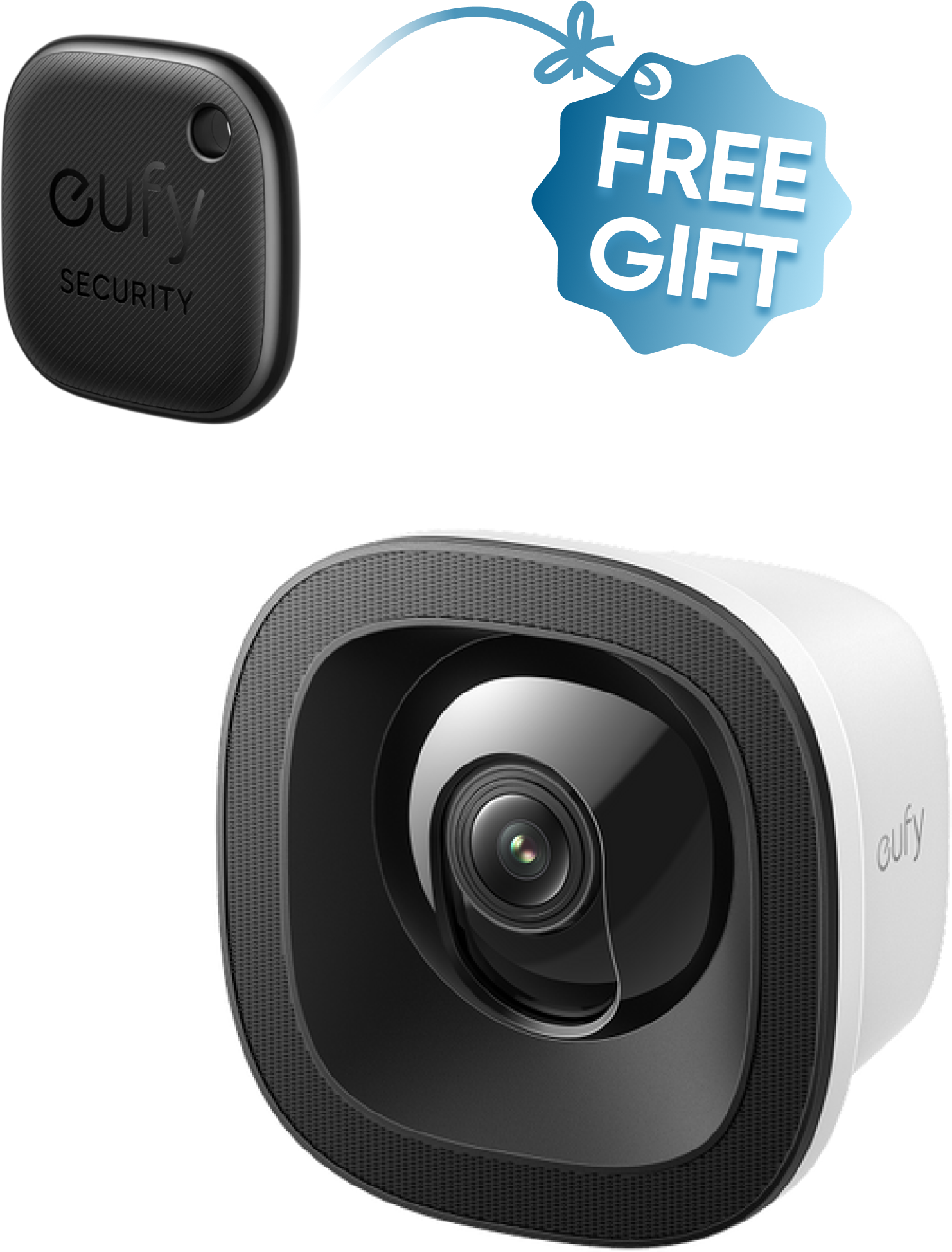
eufy Window Camera E10 with Free SmartTrack LinkIncludes: Window Camera E10, SmartTrack Link. Indoor Camera for Outdoor Security: Designed for window placement, this wired camera lets you monitor the outdoors from inside your home. Enjoy a clear, practical view of your entryway, yard, and driveway. 25° Adjustable Tilt for More Useful Coverage: A built-in 25° downward tilt minimizes wasted upper-frame space to capture more ground-level details. Easily keep an eye on packages, visitors, pets, and doorstep activity. 2.5K Clarity with Anti-Reflection: See sharp outdoor details in stunning 2.5K. A wraparound design and included anti-reflection stickers minimize reflections and glare from glass and indoor lights, while MaxColor Vision™ keeps scenes vivid after dark. 24/7 Recording with Reliable Dual-Band Wi-Fi: With support for a microSD card up to 256 GB (not included), the camera records continuously outside your window, while 2.4 GHz and 5 GHz dual-band Wi-Fi delivers a stable, uninterrupted connection. Tool-Free Installation with a Clean Setup: Install effortlessly without tools, drilling, or wall damage. A 90° L-shaped connector and included cable clips keep wiring neat and discreet for a clean look around your window. SmartTrack Link: Works with Apple Find My; Find Your Phone in Silent Mode; Free Left-Behind Alerts; Always Linked to Your Item; Share with Friends and Family; You Can't Miss the Alarm; Water Resistant with a Replaceable CR2032 Battery.69,99 £*Shipping: 0,00 £Secure redirect to the provider
-
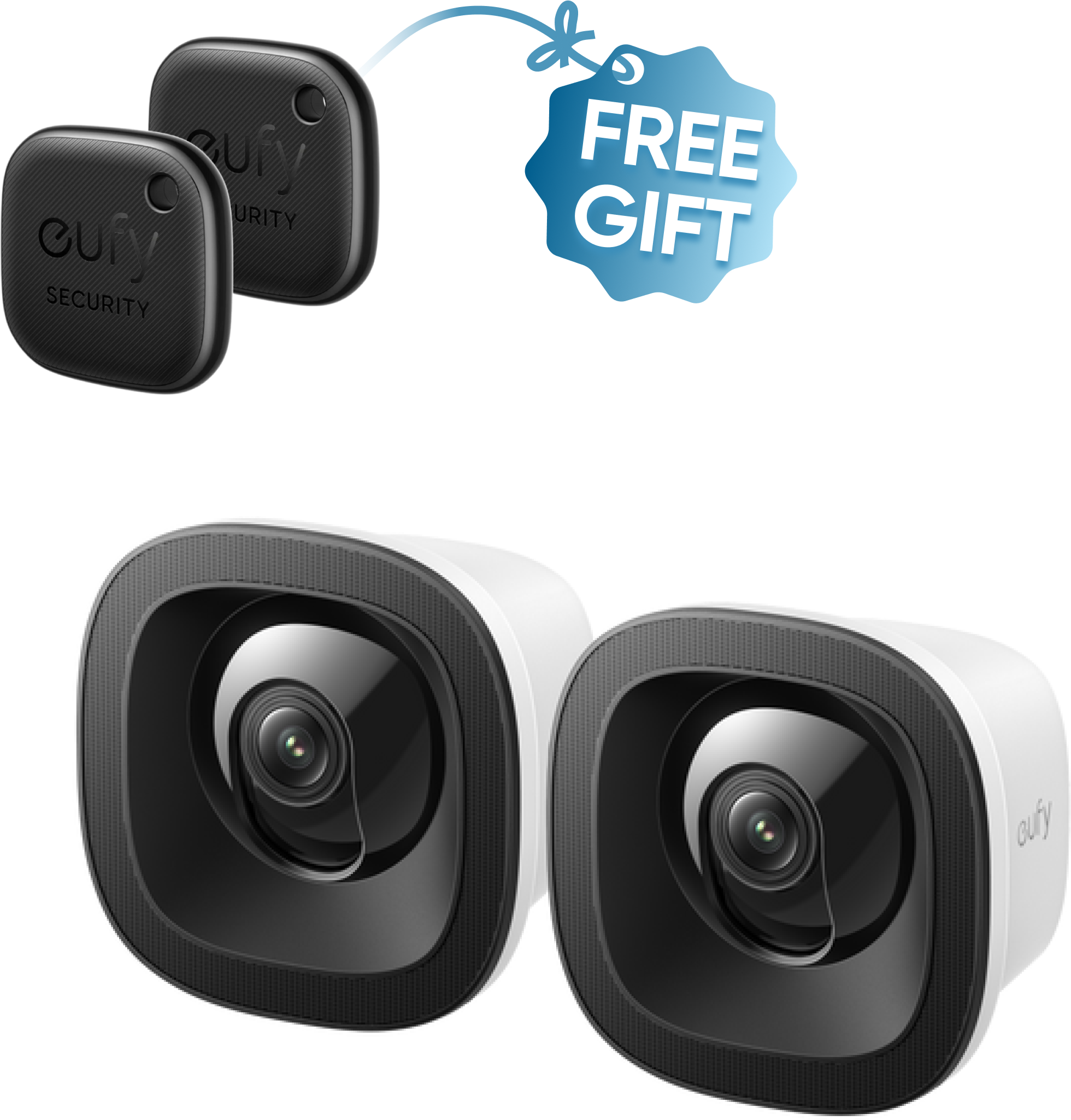
eufy Window Camera E10 (2-Pack) with Free SmartTrack Link*2Includes: Window Camera E10*2, SmartTrack Link*2. Indoor Camera for Outdoor Security: Designed for window placement, this wired camera lets you monitor the outdoors from inside your home. Enjoy a clear, practical view of your entryway, yard, and driveway. 25° Adjustable Tilt for More Useful Coverage: A built-in 25° downward tilt minimizes wasted upper-frame space to capture more ground-level details. Easily keep an eye on packages, visitors, pets, and doorstep activity. 2.5K Clarity with Anti-Reflection: See sharp outdoor details in stunning 2.5K. A wraparound design and included anti-reflection stickers minimize reflections and glare from glass and indoor lights, while MaxColor Vision™ keeps scenes vivid after dark. 24/7 Recording with Reliable Dual-Band Wi-Fi: With support for a microSD card up to 256 GB (not included), the camera records continuously outside your window, while 2.4 GHz and 5 GHz dual-band Wi-Fi delivers a stable, uninterrupted connection. Tool-Free Installation with a Clean Setup: Install effortlessly without tools, drilling, or wall damage. A 90° L-shaped connector and included cable clips keep wiring neat and discreet for a clean look around your window. SmartTrack Link: Works with Apple Find My; Find Your Phone in Silent Mode; Free Left-Behind Alerts; Always Linked to Your Item; Share with Friends and Family; You Can't Miss the Alarm; Water Resistant with a Replaceable CR2032 Battery.129,99 £*Shipping: 0,00 £Secure redirect to the provider
-
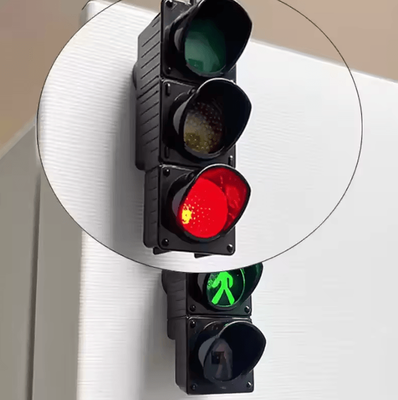
Inspire Curations Mini Traffic Light Magnetic Refrigerator Magnet Decoration traffic LightBring a playful street scene to your home with this traffic light refrigerator magnet. Designed to resemble a real pedestrian traffic signal, this creative magnet adds personality to refrigerators, lockers, whiteboards, and other magnetic surfaces....50,50 $*Shipping: 0,00 $Secure redirect to the provider

-
Is an infinitive clause a subordinate clause?
Yes, an infinitive clause is a type of subordinate clause. It functions as a single unit within a sentence and is dependent on the main clause for its meaning. Infinitive clauses typically begin with the word "to" followed by a verb, and they can serve various purposes such as expressing purpose, result, or obligation. **
-
What are main clause-subordinate clause constructions?
Main clause-subordinate clause constructions are sentences that consist of a main clause and one or more subordinate clauses. The main clause is a complete sentence that can stand alone, while the subordinate clause depends on the main clause for its meaning and cannot stand alone. Subordinate clauses often begin with subordinating conjunctions such as "because," "although," "if," or "when," and they provide additional information or context to the main clause. These constructions allow for more complex and nuanced sentence structures, and they are commonly used in both spoken and written language. **
-
Can an adverbial clause also be a subject clause or an object clause?
No, an adverbial clause cannot be a subject clause or an object clause. An adverbial clause functions as an adverb to modify a verb, adjective, or adverb in a sentence. Subject clauses and object clauses, on the other hand, serve as the subject or object of the main clause, respectively. Each type of clause has a specific grammatical function within a sentence. **
-
Is the main clause and subordinate clause correct?
To determine if the main clause and subordinate clause are correct, you need to ensure that they are grammatically sound and that they make sense when combined. The main clause should be able to stand alone as a complete sentence, while the subordinate clause provides additional information but cannot stand alone. Checking for subject-verb agreement and proper punctuation between the two clauses can help confirm their correctness. **
How do I recognize a relative clause, a conjunctional clause, and an interrogative clause?
A relative clause typically starts with a relative pronoun (such as who, whom, whose, which, or that) and provides more information about a noun in the main clause. A conjunctional clause, on the other hand, is introduced by a conjunction (such as and, but, or because) and connects two independent clauses. An interrogative clause is a type of clause that asks a question and is typically introduced by an interrogative pronoun (such as who, what, when, where, why, or how) or an interrogative adverb (such as how, when, or where). **
How can I recognize a relative clause, a conjunctional clause, and an interrogative clause?
A relative clause is a type of dependent clause that typically starts with a relative pronoun (such as who, whom, whose, which, or that) and provides additional information about a noun in the main clause. A conjunctional clause, on the other hand, is a dependent clause that functions as an adverb, adjective, or noun in a sentence and is connected to the main clause by a conjunction (such as because, although, if, when, etc.). An interrogative clause is a type of clause that asks a question and typically begins with a question word (such as who, what, where, when, why, or how) or with a helping verb followed by the subject. **
Top-Angebote
Products related to Clause:
-
Combo Retail Shop Christmas Fence Ornaments, Santa Clause Peeker, Yard Ornaments, Indoor Outdoor, DIY Festival Gift redBring the magic of the holidays to your home with these charming Christmas Fence Ornaments. Featuring a playful Santa Clause Peeker, these yard decorations are perfect for both indoor and outdoor spaces. Crafted to brighten your garden, lawn, or...44,97 $*Shipping: 0,00 $Secure redirect to the provider
-
ModernMart Christmas Fence Decoration: Santa, Snowman, Reindeer, Penguin Peeker Ornaments For Indoor Outdoor Festivities Color: Santa ClauseChristmas Fence Decoration Santa Clause Snowman Reindeer Penguin Peeker Yard Ornaments Indoor Outdoor Festival Gift Christmas Fence Decoration Santa Clause Snowman Reindeer Penguin Peeker Brand new & high quality Material: PP plastic Color:...20,00 $*Shipping: 0,00 $Secure redirect to the provider
-
Daily Deals Depot Santa Clause Peeker Yard Ornament, Christmas Fence Decoration, Indoor Outdoor Holiday Placard, DIY Festival Gift redBring the festive spirit to life with this Christmas Fence Ornament Santa Clause Peeker Yard Decoration, the perfect way to surprise neighbors and delight guests this holiday season. Designed for indoor and outdoor use, this charming Santa Clause...21,97 $*Shipping: 0,00 $Secure redirect to the provider
-
eufy Window Camera E10 with Free SmartTrack LinkIncludes: Window Camera E10, SmartTrack Link. Indoor Camera for Outdoor Security: Designed for window placement, this wired camera lets you monitor the outdoors from inside your home. Enjoy a clear, practical view of your entryway, yard, and driveway. 25° Adjustable Tilt for More Useful Coverage: A built-in 25° downward tilt minimizes wasted upper-frame space to capture more ground-level details. Easily keep an eye on packages, visitors, pets, and doorstep activity. 2.5K Clarity with Anti-Reflection: See sharp outdoor details in stunning 2.5K. A wraparound design and included anti-reflection stickers minimize reflections and glare from glass and indoor lights, while MaxColor Vision™ keeps scenes vivid after dark. 24/7 Recording with Reliable Dual-Band Wi-Fi: With support for a microSD card up to 256 GB (not included), the camera records continuously outside your window, while 2.4 GHz and 5 GHz dual-band Wi-Fi delivers a stable, uninterrupted connection. Tool-Free Installation with a Clean Setup: Install effortlessly without tools, drilling, or wall damage. A 90° L-shaped connector and included cable clips keep wiring neat and discreet for a clean look around your window. SmartTrack Link: Works with Apple Find My; Find Your Phone in Silent Mode; Free Left-Behind Alerts; Always Linked to Your Item; Share with Friends and Family; You Can't Miss the Alarm; Water Resistant with a Replaceable CR2032 Battery.69,99 £*Shipping: 0,00 £Secure redirect to the provider
-
What is the difference between an embedded interrogative clause, an indirect question clause, and a free relative clause?
An embedded interrogative clause is a question that is embedded within a larger sentence, such as "I wonder where he went." An indirect question clause is a sentence that reports a question without using question marks, like "She asked if he was coming." A free relative clause is a clause that functions as a noun and is introduced by a wh-word, such as "I'll take whatever you give me." The key difference is that embedded interrogative clauses and indirect question clauses involve asking a question, while free relative clauses act as a noun phrase. **
-
How do you transform an object clause or a subject clause into a dependent clause (subordinate clause)?
To transform an object clause or a subject clause into a dependent clause, you can add a subordinating conjunction at the beginning of the clause. For example, changing "I know that he is coming" (object clause) to "I know when he is coming" (dependent clause). Another way is to remove the subject or object pronoun and change the verb form to make it dependent on the main clause. For instance, changing "She believes she can win" (subject clause) to "She believes she can win" (dependent clause). **
-
Is an infinitive clause a subordinate clause?
Yes, an infinitive clause is a type of subordinate clause. It functions as a single unit within a sentence and is dependent on the main clause for its meaning. Infinitive clauses typically begin with the word "to" followed by a verb, and they can serve various purposes such as expressing purpose, result, or obligation. **
-
What are main clause-subordinate clause constructions?
Main clause-subordinate clause constructions are sentences that consist of a main clause and one or more subordinate clauses. The main clause is a complete sentence that can stand alone, while the subordinate clause depends on the main clause for its meaning and cannot stand alone. Subordinate clauses often begin with subordinating conjunctions such as "because," "although," "if," or "when," and they provide additional information or context to the main clause. These constructions allow for more complex and nuanced sentence structures, and they are commonly used in both spoken and written language. **
Similar search terms for Clause
-
eufy Window Camera E10 (2-Pack) with Free SmartTrack Link*2Includes: Window Camera E10*2, SmartTrack Link*2. Indoor Camera for Outdoor Security: Designed for window placement, this wired camera lets you monitor the outdoors from inside your home. Enjoy a clear, practical view of your entryway, yard, and driveway. 25° Adjustable Tilt for More Useful Coverage: A built-in 25° downward tilt minimizes wasted upper-frame space to capture more ground-level details. Easily keep an eye on packages, visitors, pets, and doorstep activity. 2.5K Clarity with Anti-Reflection: See sharp outdoor details in stunning 2.5K. A wraparound design and included anti-reflection stickers minimize reflections and glare from glass and indoor lights, while MaxColor Vision™ keeps scenes vivid after dark. 24/7 Recording with Reliable Dual-Band Wi-Fi: With support for a microSD card up to 256 GB (not included), the camera records continuously outside your window, while 2.4 GHz and 5 GHz dual-band Wi-Fi delivers a stable, uninterrupted connection. Tool-Free Installation with a Clean Setup: Install effortlessly without tools, drilling, or wall damage. A 90° L-shaped connector and included cable clips keep wiring neat and discreet for a clean look around your window. SmartTrack Link: Works with Apple Find My; Find Your Phone in Silent Mode; Free Left-Behind Alerts; Always Linked to Your Item; Share with Friends and Family; You Can't Miss the Alarm; Water Resistant with a Replaceable CR2032 Battery.129,99 £*Shipping: 0,00 £Secure redirect to the provider
-
Inspire Curations Mini Traffic Light Magnetic Refrigerator Magnet Decoration traffic LightBring a playful street scene to your home with this traffic light refrigerator magnet. Designed to resemble a real pedestrian traffic signal, this creative magnet adds personality to refrigerators, lockers, whiteboards, and other magnetic surfaces....50,50 $*Shipping: 0,00 $Secure redirect to the provider
-
Uplifted Finds Traffic Light Magnetic Refrigerator Sticker & Creative Toy traffic LightAdd a playful, urban touch to your kitchen or workspace with our New Traffic Light Magnetic Refrigerator Sticker. Engineered with creative traffic toy styling featuring pedestrian and signal lights, this charming magnetic accessory combines fun...34,97 $*Shipping: 0,00 $Secure redirect to the provider
-
Inspire Curations Traffic Light Magnetic Fridge Magnet Decorative Toy traffic LightBring a playful touch to your kitchen or workspace with this traffic light fridge magnet inspired by real pedestrian crossing signals. Designed with colorful traffic light details and a strong magnetic backing, it's a fun decoration that also helps...50,00 $*Shipping: 0,00 $Secure redirect to the provider
-
Can an adverbial clause also be a subject clause or an object clause?
No, an adverbial clause cannot be a subject clause or an object clause. An adverbial clause functions as an adverb to modify a verb, adjective, or adverb in a sentence. Subject clauses and object clauses, on the other hand, serve as the subject or object of the main clause, respectively. Each type of clause has a specific grammatical function within a sentence. **
-
Is the main clause and subordinate clause correct?
To determine if the main clause and subordinate clause are correct, you need to ensure that they are grammatically sound and that they make sense when combined. The main clause should be able to stand alone as a complete sentence, while the subordinate clause provides additional information but cannot stand alone. Checking for subject-verb agreement and proper punctuation between the two clauses can help confirm their correctness. **
-
How do I recognize a relative clause, a conjunctional clause, and an interrogative clause?
A relative clause typically starts with a relative pronoun (such as who, whom, whose, which, or that) and provides more information about a noun in the main clause. A conjunctional clause, on the other hand, is introduced by a conjunction (such as and, but, or because) and connects two independent clauses. An interrogative clause is a type of clause that asks a question and is typically introduced by an interrogative pronoun (such as who, what, when, where, why, or how) or an interrogative adverb (such as how, when, or where). **
-
How can I recognize a relative clause, a conjunctional clause, and an interrogative clause?
A relative clause is a type of dependent clause that typically starts with a relative pronoun (such as who, whom, whose, which, or that) and provides additional information about a noun in the main clause. A conjunctional clause, on the other hand, is a dependent clause that functions as an adverb, adjective, or noun in a sentence and is connected to the main clause by a conjunction (such as because, although, if, when, etc.). An interrogative clause is a type of clause that asks a question and typically begins with a question word (such as who, what, where, when, why, or how) or with a helping verb followed by the subject. **
* All prices are inclusive of VAT and, if applicable, plus shipping costs. The offer information is based on the details provided by the respective shop and is updated through automated processes. Real-time updates do not occur, so deviations can occur in individual cases. ** Note: Parts of this content were created by AI.