Buy free-backlink.com ?
We are moving the project
free-backlink.com .
Are you interested in purchasing the domain
free-backlink.com ?
domain@kv-gmbh.de · 0541-91531010
Buy free-backlink.com ?
What is the difference between a kickstart crankshaft and an electric start crankshaft?
A kickstart crankshaft is designed to be manually started by using a kick lever, requiring physical effort from the rider to start the engine. On the other hand, an electric start crankshaft is equipped with an electric starter motor that allows the rider to start the engine with the push of a button, without the need for physical exertion. Electric start crankshafts are typically found on more modern motorcycles, offering convenience and ease of use compared to kickstart crankshafts. **
"Can the original crankshaft handle it?"
The original crankshaft may or may not be able to handle it, depending on the specific circumstances. Factors such as the engine's power output, the type of modifications being made, and the condition of the original crankshaft will all play a role in determining whether it can handle the changes. It's important to consult with a knowledgeable mechanic or engineer to assess the crankshaft's capabilities and determine if any upgrades or replacements are necessary. **
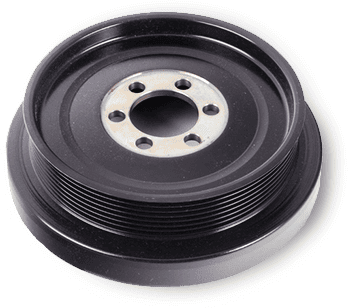

Similar search terms for DAYCO-DPV1089-Crankshaft-pulley
Top-Angebote
Products related to DAYCO-DPV1089-Crankshaft-pulley:
-
DAYCO DPV1123 Crankshaft pulleyBelt Pulley Ø [mm]: 143,2; Height 1 [mm]: 20,1; Height 2 [mm]: 41,6; Weight [kg]: 1,5; Construction Year to: 10/2009, 12/2009, 11/2017; Vehicle Equipment Line/Trim Level: >1009 , CAYB, 0903> , 1ZAH, DPV, Ch 7M-4-015 001>, Ch 3B-5E170001>, 0501> , ARL, 0903> , ASZ ,, 0503> , AVB ,, 1003> , ASZ ,, Ch7M-4-015001>11/05, 0305> , AXB, 0305> , AXC, ASZ Mtr.435, BNABRF # >08, >0809 , CAGB, 0310> , >0809 , M, CKFCCRBCDFGA, >1009 , CAYA, >1009 , CAYC, >1209 , CAYC, >1209 , CAYB, CRBCCRLBCRUA, CRBCCRLBDEJA, CKFCCRBCDCYA, CRLBDEJADFGA, >1117 , CRVA, CKFCDCYADFFA, CRBCDCYADFGA, DSRADSRBDTSB, DBGCDFGA, DNAD, DAUA, DAVA, >1117 , CRGB, DNAD , MC UYB, DNAD MC UYB, DAUA , MC UYB, DAUA MC UYB, DAVA , MC UYB, DAVA MC UYB, DNAD , MC UZB, DAUA , MC UZB, DAUA , MC UZI, DAVA , MC UZB, DAVA , MC UZT, DFFA, CRGA, DAUA MC UZI, DAVA , MC UZI, CXEC , MC SHB, DNAD , MC UYI, DAUA , MC UYI, DAVA , MC UYI, CXEC , MC SHA, CXHC -AC, CXGDDNAC , 18, CXEC -AC, DSRBDTSADTSB, 0903> , AHUA, DTTC, DAUADNAE # Mt, CXEC MC SHC, AXC, DXNB, DXPB, DXPA, DZLA; for OE number: 04L105243, 3M216B320AA, 4L105243; Construction Year from: 09/2003, 05/2001, 05/2003, 10/2003, 03/2005, 03/2010; Vehicle Identification Number (VIN) from: 8L-31222-001, 1-U-38684073, 1U-3-726 897, 7M-4-015 001, 3B-5E170001, 1J_4W040 232, 1J_4U001 139, 1J_4D008 312, 8E_3_410 001, 7M_4_015 001, 7M_4_507 001; Engine Code: ASV, ALH, AWX, CRLB/CRMB, CLHB/CRKA/CXXA, CRBC/CRLB/CRUA, DFGA, CRBC/CRLB/DEJA, CKFC/CRBC/DCYA, CRLB/DEJA/DFGA, CKFC/DCYA/DFFA, CRBC/DCYA/DFGA, DFTA, CRLB/DFGA/DSRA, CUUF/DFSF, CUUB/DFSB, CUUB, CRLB/DFGA, CRKB/CXXB, DTSB, DNAD, DAUA, DAVA, CRGA, CRMB, DTTA/DTTC, DSTA/DSTB/DTTA, DTTC, DXNB, DXPA; Engine Number from: 435 001; Vehicle Equipment: for vehicles with electr. auxiliary heater, for vehicles without air conditioning62,99 £*Shipping: 8,45 £Secure redirect to the provider
-
DAYCO DPV1053 Crankshaft pulleyBelt Pulley Ø [mm]: 25,0; Height 1 [mm]: 26,0; Height 2 [mm]: 153,0; Weight [kg]: 1,4; Vehicle Equipment Line/Trim Level: -AC, DW8 # >1003 ,, >1003 , DW8B, DW8B -AC, >1103 , DW8B, DW8 # >1103 ,, >1103 , >1003 , >, AC -AC VP Argen, DW8WJY , -AC, DW8WJYWJZ ,, >12/03, DPV, >1103 , DW8 ,; for OE number: 515Q6, 0515Q6, 9637218980; Construction Year to: 10/2003, 06/2002, 11/200341,99 £*Shipping: 8,45 £Secure redirect to the provider


-
How does the crankshaft slide horizontally?
The crankshaft slides horizontally through the use of bearings and lubrication. The bearings are placed at specific points along the crankshaft to reduce friction and allow for smooth horizontal movement. Additionally, lubrication is applied to the bearings to further reduce friction and ensure the crankshaft can slide easily. This horizontal movement is essential for the crankshaft to transfer the up-and-down motion of the pistons into rotational motion. **
-
How can the crankshaft be filed?
The crankshaft can be filed by using a precision file to remove any burrs, nicks, or imperfections on the surface. It is important to use a file that is specifically designed for metalworking and to work carefully and methodically to avoid damaging the crankshaft. The filing process should be done with the crankshaft securely held in place to prevent any movement or flexing. After filing, the crankshaft should be thoroughly cleaned and inspected to ensure that the filing has achieved the desired result. **
-
What is a pulley 988?
A pulley is a simple machine that consists of a wheel with a groove around its circumference and a rope or belt that runs along the groove. It is used to change the direction of a force, allowing for easier lifting or moving of heavy objects. By using multiple pulleys in a system, one can create a mechanical advantage that reduces the amount of force needed to lift an object. Pulleys are commonly used in various applications, such as elevators, cranes, and exercise equipment. **
-
Is a shoelace a pulley?
No, a shoelace is not a pulley. A pulley is a simple machine that consists of a wheel with a groove around its circumference and a rope or belt that runs along the groove. The purpose of a pulley is to change the direction of a force or to provide mechanical advantage. On the other hand, a shoelace is a type of cord or string used to fasten and tighten shoes. While both a pulley and a shoelace involve the use of a cord or string, they serve different purposes and have different mechanical functions. **

What is a pulley system?
A pulley system is a simple machine that consists of a wheel with a groove around its circumference and a rope or belt that runs along the groove. It is used to lift or move heavy objects by applying force to one end of the rope while the object is attached to the other end. The pulley system allows for the force to be distributed and redirected, making it easier to lift heavy loads. It is commonly used in various applications such as construction, transportation, and mechanical systems. **
Why does the pulley squeak?
The pulley may squeak due to lack of lubrication. Over time, the moving parts of the pulley can become dry and start to rub against each other, causing friction and the squeaking sound. Additionally, dirt and debris can accumulate in the pulley, further contributing to the squeaking noise. Regular maintenance and lubrication can help prevent the pulley from squeaking. **
Top-Angebote
Products related to DAYCO-DPV1089-Crankshaft-pulley:
-
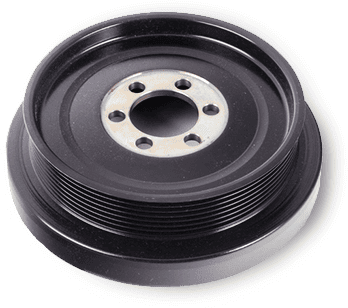
DAYCO DPV1089 Crankshaft pulleyBelt Pulley Ø [mm]: 157,0; Height 1 [mm]: 20,5; Height 2 [mm]: 34,0; Weight [kg]: 2,4; Engine Number from: 1440995, 920000; Vehicle Equipment Line/Trim Level: Mtr.1440995 >, Mtr.920000 > Mtr., Ch.920000 > Mtr.1, DPV, 0602> , >0502 , M, B5244S2 Ch.2, B5244S2 Ch., B5204T3 Ch.2, B5204T3 Ch., B5204T4 Ch.2, B5204T4 Ch., B5244S Ch.29, B5244S Ch. >, B5244S2, B5244T3 Ch.9, B5244T3 Ch., >0502 , B5244, B5204T5 Ch.2, B5204T5 Ch., B5244T3 Ch.2, B5244SG Ch.2, B5244SG Ch., >0502 , B5204, B5254T2 Ch.9, B5254T2 Ch., B5254T2 Ch.2, B5234T7 Ch.2, B5234T7 Ch., >0502 , B5234, B5244SG2 Ch.; for OE number: 31104839, 30731039; Engine Number to: 919999; Vehicle Identification Number (VIN) to: 919999, 296999, 94999, 285999; Vehicle Identification Number (VIN) from: 920000, 297000, 95000, 286000, 94999; Construction Year from: 06/2002; Engine Code: B5244S2, B5204T3, B5204T4, B5244S, B5244T3, B5204T5, B5244SG, B5254T2, B5234T7, B5244SG2124,99 £*Shipping: 8,45 £Secure redirect to the provider
-
DAYCO DPV1176 Crankshaft pulleyBelt Pulley Ø [mm]: 145,0; Height 1 [mm]: 25,0; Height 2 [mm]: 35,0; Weight [kg]: 1,8; Construction Year from: 09/2010; Vehicle Equipment Line/Trim Level: 0910> , G9U63, G9U750 -AC, DPV, G9U632G9U750, -AC >Mtr 100910; for OE number: 1230300QAL, 8200267867; Vehicle Equipment: for vehicles without air conditioning; Engine Number to: 10091077,49 £*Shipping: 8,45 £Secure redirect to the provider
-
DAYCO DPV1123 Crankshaft pulleyBelt Pulley Ø [mm]: 143,2; Height 1 [mm]: 20,1; Height 2 [mm]: 41,6; Weight [kg]: 1,5; Construction Year to: 10/2009, 12/2009, 11/2017; Vehicle Equipment Line/Trim Level: >1009 , CAYB, 0903> , 1ZAH, DPV, Ch 7M-4-015 001>, Ch 3B-5E170001>, 0501> , ARL, 0903> , ASZ ,, 0503> , AVB ,, 1003> , ASZ ,, Ch7M-4-015001>11/05, 0305> , AXB, 0305> , AXC, ASZ Mtr.435, BNABRF # >08, >0809 , CAGB, 0310> , >0809 , M, CKFCCRBCDFGA, >1009 , CAYA, >1009 , CAYC, >1209 , CAYC, >1209 , CAYB, CRBCCRLBCRUA, CRBCCRLBDEJA, CKFCCRBCDCYA, CRLBDEJADFGA, >1117 , CRVA, CKFCDCYADFFA, CRBCDCYADFGA, DSRADSRBDTSB, DBGCDFGA, DNAD, DAUA, DAVA, >1117 , CRGB, DNAD , MC UYB, DNAD MC UYB, DAUA , MC UYB, DAUA MC UYB, DAVA , MC UYB, DAVA MC UYB, DNAD , MC UZB, DAUA , MC UZB, DAUA , MC UZI, DAVA , MC UZB, DAVA , MC UZT, DFFA, CRGA, DAUA MC UZI, DAVA , MC UZI, CXEC , MC SHB, DNAD , MC UYI, DAUA , MC UYI, DAVA , MC UYI, CXEC , MC SHA, CXHC -AC, CXGDDNAC , 18, CXEC -AC, DSRBDTSADTSB, 0903> , AHUA, DTTC, DAUADNAE # Mt, CXEC MC SHC, AXC, DXNB, DXPB, DXPA, DZLA; for OE number: 04L105243, 3M216B320AA, 4L105243; Construction Year from: 09/2003, 05/2001, 05/2003, 10/2003, 03/2005, 03/2010; Vehicle Identification Number (VIN) from: 8L-31222-001, 1-U-38684073, 1U-3-726 897, 7M-4-015 001, 3B-5E170001, 1J_4W040 232, 1J_4U001 139, 1J_4D008 312, 8E_3_410 001, 7M_4_015 001, 7M_4_507 001; Engine Code: ASV, ALH, AWX, CRLB/CRMB, CLHB/CRKA/CXXA, CRBC/CRLB/CRUA, DFGA, CRBC/CRLB/DEJA, CKFC/CRBC/DCYA, CRLB/DEJA/DFGA, CKFC/DCYA/DFFA, CRBC/DCYA/DFGA, DFTA, CRLB/DFGA/DSRA, CUUF/DFSF, CUUB/DFSB, CUUB, CRLB/DFGA, CRKB/CXXB, DTSB, DNAD, DAUA, DAVA, CRGA, CRMB, DTTA/DTTC, DSTA/DSTB/DTTA, DTTC, DXNB, DXPA; Engine Number from: 435 001; Vehicle Equipment: for vehicles with electr. auxiliary heater, for vehicles without air conditioning62,99 £*Shipping: 8,45 £Secure redirect to the provider
-
What is the difference between a kickstart crankshaft and an electric start crankshaft?
A kickstart crankshaft is designed to be manually started by using a kick lever, requiring physical effort from the rider to start the engine. On the other hand, an electric start crankshaft is equipped with an electric starter motor that allows the rider to start the engine with the push of a button, without the need for physical exertion. Electric start crankshafts are typically found on more modern motorcycles, offering convenience and ease of use compared to kickstart crankshafts. **
-
"Can the original crankshaft handle it?"
The original crankshaft may or may not be able to handle it, depending on the specific circumstances. Factors such as the engine's power output, the type of modifications being made, and the condition of the original crankshaft will all play a role in determining whether it can handle the changes. It's important to consult with a knowledgeable mechanic or engineer to assess the crankshaft's capabilities and determine if any upgrades or replacements are necessary. **
-
How does the crankshaft slide horizontally?
The crankshaft slides horizontally through the use of bearings and lubrication. The bearings are placed at specific points along the crankshaft to reduce friction and allow for smooth horizontal movement. Additionally, lubrication is applied to the bearings to further reduce friction and ensure the crankshaft can slide easily. This horizontal movement is essential for the crankshaft to transfer the up-and-down motion of the pistons into rotational motion. **
-
How can the crankshaft be filed?
The crankshaft can be filed by using a precision file to remove any burrs, nicks, or imperfections on the surface. It is important to use a file that is specifically designed for metalworking and to work carefully and methodically to avoid damaging the crankshaft. The filing process should be done with the crankshaft securely held in place to prevent any movement or flexing. After filing, the crankshaft should be thoroughly cleaned and inspected to ensure that the filing has achieved the desired result. **
Similar search terms for DAYCO-DPV1089-Crankshaft-pulley
-
DAYCO DPV1053 Crankshaft pulleyBelt Pulley Ø [mm]: 25,0; Height 1 [mm]: 26,0; Height 2 [mm]: 153,0; Weight [kg]: 1,4; Vehicle Equipment Line/Trim Level: -AC, DW8 # >1003 ,, >1003 , DW8B, DW8B -AC, >1103 , DW8B, DW8 # >1103 ,, >1103 , >1003 , >, AC -AC VP Argen, DW8WJY , -AC, DW8WJYWJZ ,, >12/03, DPV, >1103 , DW8 ,; for OE number: 515Q6, 0515Q6, 9637218980; Construction Year to: 10/2003, 06/2002, 11/200341,99 £*Shipping: 8,45 £Secure redirect to the provider
-
What is a pulley 988?
A pulley is a simple machine that consists of a wheel with a groove around its circumference and a rope or belt that runs along the groove. It is used to change the direction of a force, allowing for easier lifting or moving of heavy objects. By using multiple pulleys in a system, one can create a mechanical advantage that reduces the amount of force needed to lift an object. Pulleys are commonly used in various applications, such as elevators, cranes, and exercise equipment. **
-
Is a shoelace a pulley?
No, a shoelace is not a pulley. A pulley is a simple machine that consists of a wheel with a groove around its circumference and a rope or belt that runs along the groove. The purpose of a pulley is to change the direction of a force or to provide mechanical advantage. On the other hand, a shoelace is a type of cord or string used to fasten and tighten shoes. While both a pulley and a shoelace involve the use of a cord or string, they serve different purposes and have different mechanical functions. **
-
What is a pulley system?
A pulley system is a simple machine that consists of a wheel with a groove around its circumference and a rope or belt that runs along the groove. It is used to lift or move heavy objects by applying force to one end of the rope while the object is attached to the other end. The pulley system allows for the force to be distributed and redirected, making it easier to lift heavy loads. It is commonly used in various applications such as construction, transportation, and mechanical systems. **
-
Why does the pulley squeak?
The pulley may squeak due to lack of lubrication. Over time, the moving parts of the pulley can become dry and start to rub against each other, causing friction and the squeaking sound. Additionally, dirt and debris can accumulate in the pulley, further contributing to the squeaking noise. Regular maintenance and lubrication can help prevent the pulley from squeaking. **
* All prices are inclusive of VAT and, if applicable, plus shipping costs. The offer information is based on the details provided by the respective shop and is updated through automated processes. Real-time updates do not occur, so deviations can occur in individual cases. ** Note: Parts of this content were created by AI.